

From the smartphone in your pocket to the complex avionics navigating commercial jets, modern technology relies on a hidden "brain" to function. That brain is the PCBA (Printed Circuit Board Assembly).
1. What is the Working Principle of a PCBA?
The Bridge for Electrical Connections
Synergy of Electronic Components
2. Key Components that Make a PCBA Work
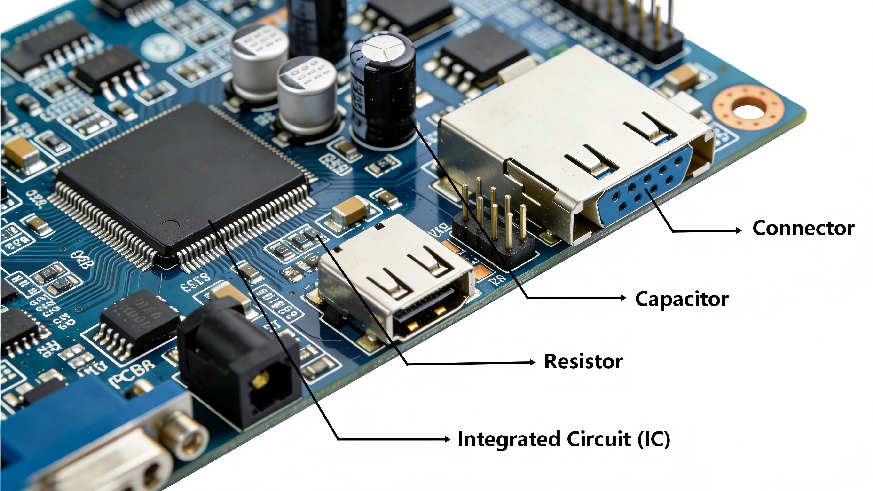
Microcontrollers and ICs (Integrated Circuits): The "brain" of the PCBA. They process information and control the behavior of the entire circuit. Resistors, Capacitors, and Inductors: The "regulators." They manage the flow of electrical energy, filtering noise and ensuring stable power delivery. Sensors and Connectors: The "senses." Sensors collect environmental data (temperature, light, motion), while connectors allow the PCBA to communicate with external devices (displays, batteries, other boards). Power Management Modules: The "heart." They convert and distribute the correct voltage to different sections of the board, preventing overloads.
3. The PCBA Manufacturing Process: Bringing Principles to Life
Step 1: Solder Paste Printing
Step 2: Surface Mount Technology (SMT)
Step 3: Reflow Soldering
Step 4: THT and Wave Soldering (If required)
4. Quality Control: Ensuring the PCBA Works Flawlessly
SPI (Solder Paste Inspection): Checks the volume and alignment of solder paste before components are placed. AOI (Automated Optical Inspection): Uses high-definition cameras to scan the soldered board for missing components, misalignments, or solder bridges. 3D X-Ray Inspection: Essential for checking hidden solder joints under complex chips like BGAs (Ball Grid Arrays) and QFNs. ICT & FCT (In-Circuit and Functional Testing): The ultimate test. We power up the board and simulate its real-world working environment to verify its functional logic and electrical performance. 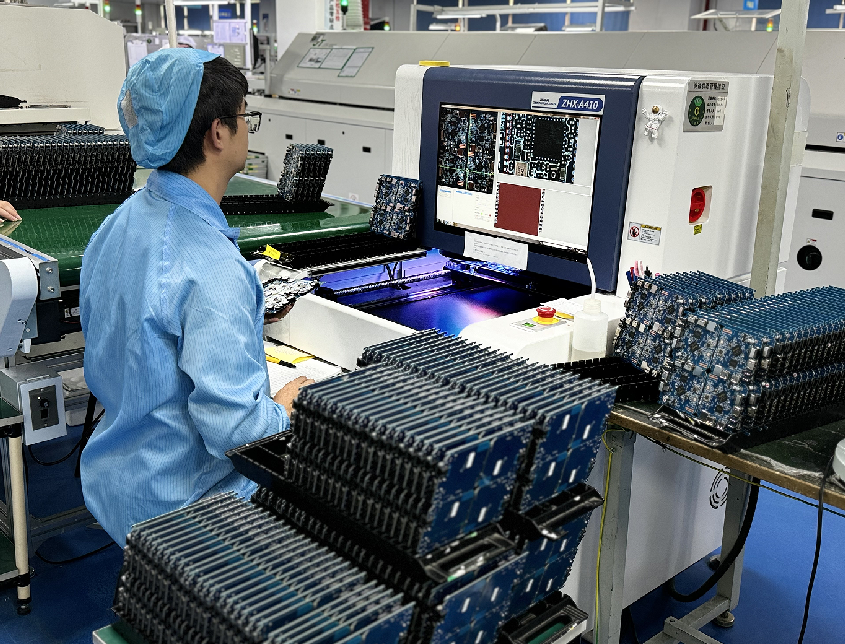
5. Applications of PCBA Across Industries
Automotive Electronics: Battery Management Systems (BMS) for EVs, ADAS (Advanced Driver Assistance Systems), and infotainment displays. Medical Devices: High-reliability boards for MRI machines, pacemakers, and portable diagnostic equipment. Industrial IoT: Smart sensors, automated control systems, and robotic controllers. Consumer Electronics: Smart home devices, wearables, and telecommunications equipment.
6. How to Choose a Reliable PCBA Manufacturer?
Engineering Support: Do they offer a Free DFM (Design for Manufacturability) check before production to catch potential layout errors? Robust Supply Chain: Can they source 100% original components globally, even during shortages? Certifications: Are they compliant with industry standards like ISO9001, ISO13485 (Medical), or IATF16949 (Automotive)?